
- Roofing Guidance
- Commercial Project Types
School Roofs Scheduled Around the Academic Calendar, Not Ours
Weber School District and Davis School District campuses across this county range from decades-old gymnasium roofs to newer classroom wings, and every one of them has a hard constraint we plan around first: students and staff have to be in those buildings on a set schedule that a roofing crew does not get to override.
Gym Roofs Take the Worst of the Wind and Snow
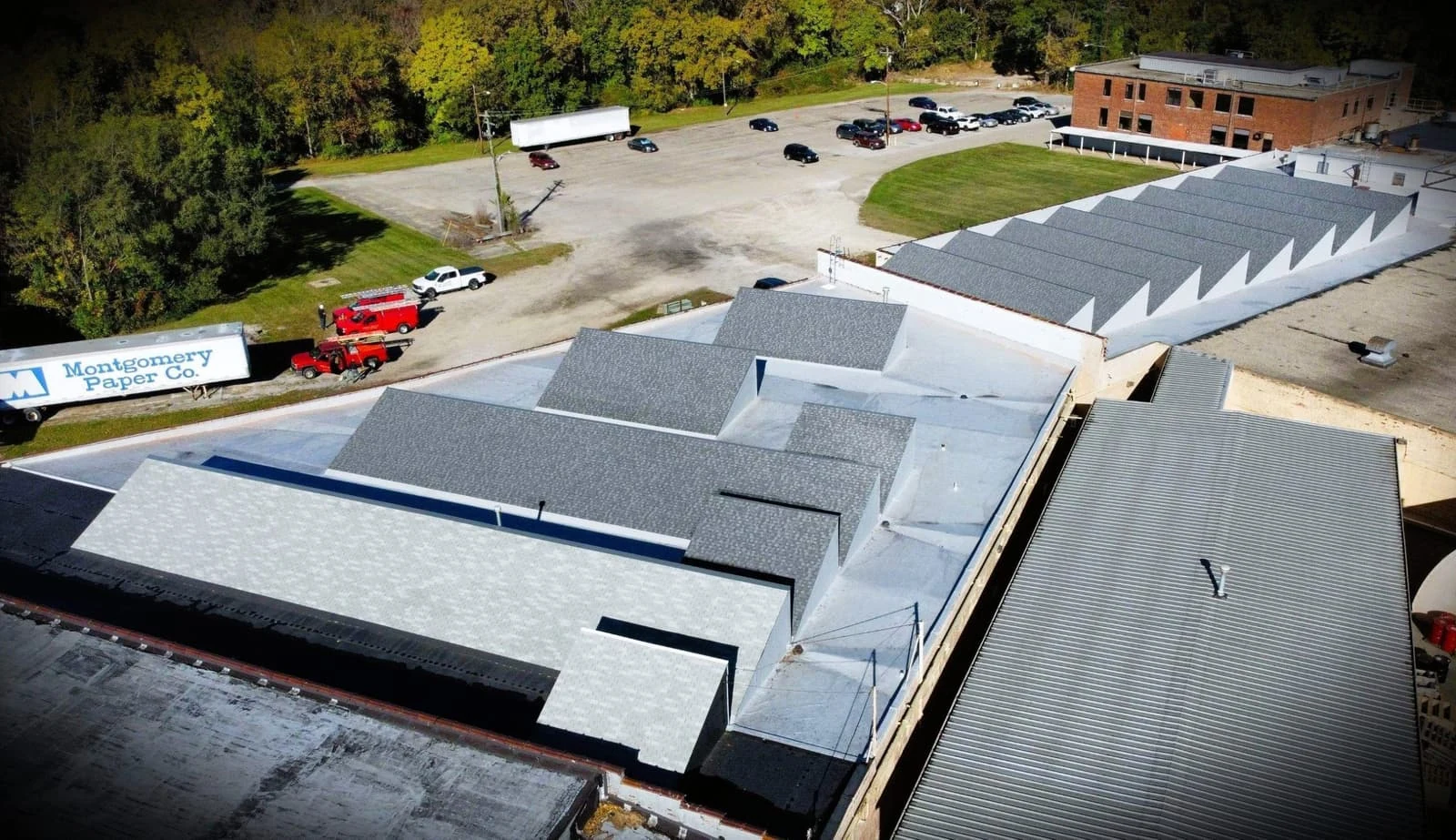
Gymnasium and auditorium roofs on school campuses usually span wider and sit taller than the classroom wings around them, which puts them directly in the path of canyon wind gusts and makes them a prime spot for heavy snow to drift against a taller parapet. We inspect gym roofs separately from the rest of a campus because the load and uplift conditions are genuinely different, and a generic campus-wide number misses that.
Skylights and roof monitors common on older gym designs also tend to be the first failure point, since the flashing details around them were often built to a lower standard than the surrounding membrane and rarely get replaced at the same time as the roof itself.
Summer Break Is the Real Construction Window
Most significant school reroofing has to happen in the roughly ten-week window between the end of one school year and the start of the next, which means scheduling and material lead time matter more on a school project than almost anywhere else we work. We start the bid and planning conversation with a district facilities office months ahead of summer so materials are ordered and crews are booked before the window opens, not after.
For repairs that cannot wait for summer, we coordinate with the school's administration to schedule work around recess, dismissal times, and any events happening on campus, keeping noisy work away from active classroom hours whenever we can.
What a Low School District Bid Often Leaves Out
District budgets are public and closely watched, which sometimes pushes bids toward the lowest number rather than the most complete one.
- Asbestos testing on older roof assemblies, assumed unnecessary instead of confirmed with a sample
- Fall protection and safety plan requirements specific to working above occupied classroom space
- Skylight and roof monitor replacement, quoted separately even when clearly failing in the inspection photos
- Compressed summer-window labor premiums needed to finish before the first day of school
- Playground and bus loop protection during material staging and dumpster placement
We would rather a district facilities director see the real number during planning season than find out about a missing line item in July with three weeks left before school starts.
Safety and Access on an Active Campus
Even during summer break, campuses often run maintenance staff, summer programs, or athletic camps. We fence and clearly mark work zones, coordinate dumpster and material staging away from any active summer activity, and keep site access locked down at the end of every work day given that these are still school properties.
Background check and site access requirements for anyone working on district property are non-negotiable, and we handle that paperwork ahead of the project so it does not become a delay once the summer window opens. A crew showing up without proper clearance on the first scheduled day can cost a district a week it does not have to spare.
Building for the Winter That Follows the Summer Deadline
A school roof installed in July has to survive its first real test that following winter, with heavy lake-effect snow and freeze-thaw cycling on a building that may sit unoccupied over holiday breaks with nobody watching for a developing leak. We size fastening patterns and flashing details for that winter load from day one rather than the minimum the code allows.
Older schools with additions built in different decades often have roof transitions where a newer wing ties into an original building at a different height, creating a natural spot for snow to drift and water to pool. We map those transition points on every campus we work, since they tend to be where a district's recurring winter leak calls actually originate.
Aging Portfolios and Multi-Building Campus Planning
A single school campus can include a main classroom building, a separate gym, portable classrooms, and support buildings, each with a different roof age and system. We help district facilities staff build a prioritized replacement schedule across a whole campus, or across several campuses in a district, so bond money or maintenance budget gets spent on the roofs closest to failure first rather than whichever building happens to get noticed.
School Roofing Questions We Get
Can school roof replacement realistically happen during summer break?
For most projects yes, provided planning and material ordering start well ahead of the break. We recommend engaging a facilities office months in advance.
Do you test for asbestos on older school roofs before starting work?
We confirm testing requirements on any older roof assembly rather than assuming a building's age makes it a non-issue.
How do you handle repairs that come up during the school year?
We coordinate timing with school administration to work around class schedules, recess, and campus events, prioritizing minimal disruption.
Are gymnasium roofs inspected differently than classroom roofs?
Yes. Wider spans, taller parapets, and skylight or monitor details create different wind and snow load conditions that get evaluated separately.
Can you work within a district's public procurement process?
Yes. We provide itemized, detailed proposals suited to public bid review and district budget planning cycles.
Questions About K-12 School Roofing in Ogden, UT
Ready to Review the Roof?
Commercial Project Types
School roof inspection, repair, and replacement for Weber and Davis County District campuses, scheduled around the academic calendar and snow load realities.
Plan the Next Step