- Roofing Guidance
- Commercial Project Types
Grocery Roofs Carrying More Than the Weather Alone
A grocery store roof does double duty most retail roofs never see: it holds up rooftop refrigeration condensers for the entire cold chain inside, and a failure over the wrong aisle can spoil product faster than almost any other kind of leak we respond to. Strip centers and standalone grocery buildings across Weber and Davis County all share this same higher-stakes equation.
Refrigeration Equipment Changes the Whole Roof Plan
Condenser units for a grocery store's refrigerated cases and freezers are often the heaviest and most numerous rooftop equipment we see on any retail building type, and they run continuously, which means constant vibration and heat cycling on the curbs and membrane around them. We inspect refrigeration curb flashing on a tighter interval than the rest of the roof, because that is where we consistently find the earliest signs of membrane fatigue.
Grease exhaust from an in-store deli or bakery adds another layer, since grease residue on a membrane accelerates deterioration in ways plain rainwater never would. We flag grease-affected roof zones separately in every grocery inspection and recommend grease-resistant coating or membrane upgrades in those specific areas rather than treating the whole roof the same.
A Leak Over Produce or Dairy Is a Different Emergency Than a Leak Over Dry Goods
We triage grocery leak calls based on what is underneath, rather than only how bad the water looks from the roof. A leak over the produce section or dairy case threatens spoilage and a health code issue within hours, while the same size leak over a dry goods aisle gives us more breathing room to schedule a permanent fix. Store managers know this distinction instinctively, and we plan our response the same way.
What a Cut-Rate Grocery Roof Bid Skips
Grocery chains often negotiate roof maintenance contracts at the corporate level, and the contractor who wins that bid does not always account for store-specific conditions.
- Grease-affected roof zones near deli and bakery exhaust, treated with standard membrane instead of grease-resistant material
- Refrigeration condenser curb inspection frequency, reduced to match the rest of the roof's schedule instead of running more often
- Overnight or early-morning labor premiums for stores that cannot allow daytime roof access above the sales floor
- Ice dam prevention at parapet transitions, ignored until a repeat winter leak forces the issue
- Emergency response time commitments for active leaks over refrigerated product
We build response-time commitments directly into grocery maintenance proposals because a slow response on this building type carries real product-loss cost that other retail categories do not.
Ice Damming at Parapets and Rooftop Screen Walls
Grocery buildings often have taller parapets and screen walls hiding refrigeration equipment from street view, and those tall vertical surfaces catch drifting snow that then melts and refreezes against the membrane during a Wasatch Front thaw-freeze cycle. We check those specific transitions during winter-readiness visits since they are a recurring leak source distinct from the open field of the roof.
Rooftop condensate and defrost drain lines near refrigeration equipment can also freeze solid during a hard cold snap, sending overflow water across the membrane instead of into the drain system it was designed for. We check those lines specifically during winter inspections rather than assuming a functioning drain in October is still functioning in January.
Scheduling Around a Store That Never Fully Closes
Most grocery stores run extended hours with limited true downtime, so we schedule tear-off and membrane work for overnight or early-morning windows when foot traffic in the store is lowest, keeping equipment staging away from the loading dock during active delivery windows.
Delivery trucks arrive on a tight schedule at most grocery locations, often before the store even opens to customers, and we coordinate our own material deliveries and dumpster placement so a roofing crew's equipment never blocks a receiving door during that window. A missed grocery delivery because of a poorly placed lift is the kind of mistake that damages a contractor relationship fast.
Strip Center Grocery Anchors Versus Standalone Stores
A grocery store anchoring a strip center shares roof structure and sometimes drainage with the smaller shops next to it, while a standalone store operates as its own independent roof system. We evaluate that distinction early, since a leak at a strip center grocery anchor can sometimes trace back to a neighboring tenant's rooftop equipment rather than the grocery store's own roof area. Getting that source right the first time saves an owner from paying for a repair that never actually addresses where the water is coming from.
Grocery Roofing Questions We Get
How quickly do you respond to a leak over refrigerated product?
We prioritize leaks over produce, dairy, or freezer sections given the spoilage and health code risk, and aim to stabilize the source as fast as possible.
Does grease exhaust from a deli or bakery actually affect the roof?
Yes. Grease residue accelerates membrane deterioration, and we recommend grease-resistant coating or material in those specific roof zones.
Are refrigeration condenser curbs inspected differently than other rooftop equipment?
We inspect them more frequently given the continuous vibration and heat cycling they put on the surrounding membrane.
Can roof work happen without disrupting store operations?
Yes. We typically schedule disruptive work overnight or early morning when store traffic is lowest.
What causes repeat winter leaks near rooftop screen walls?
Ice damming from drifting snow against tall parapets and screen walls hiding refrigeration equipment is a common cause we check during winter-readiness inspections.
Questions About Grocery Store Roofing in Ogden, UT
Ready to Review the Roof?
Commercial Project Types
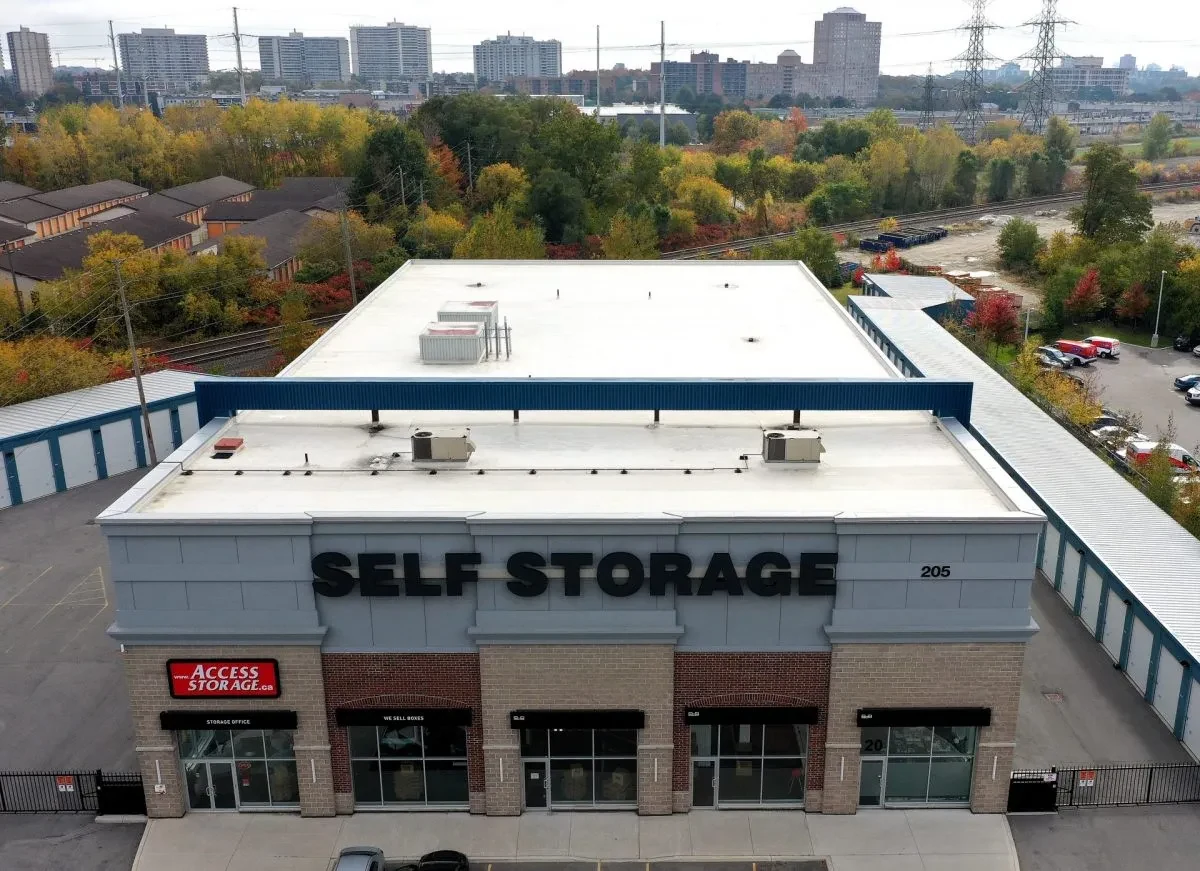
Grocery store roof repair and replacement matched to refrigeration loads, produce sections, and ice damming at parapets across Weber and Davis County.
Plan the Next Step