
- Roofing Guidance
- Service Areas
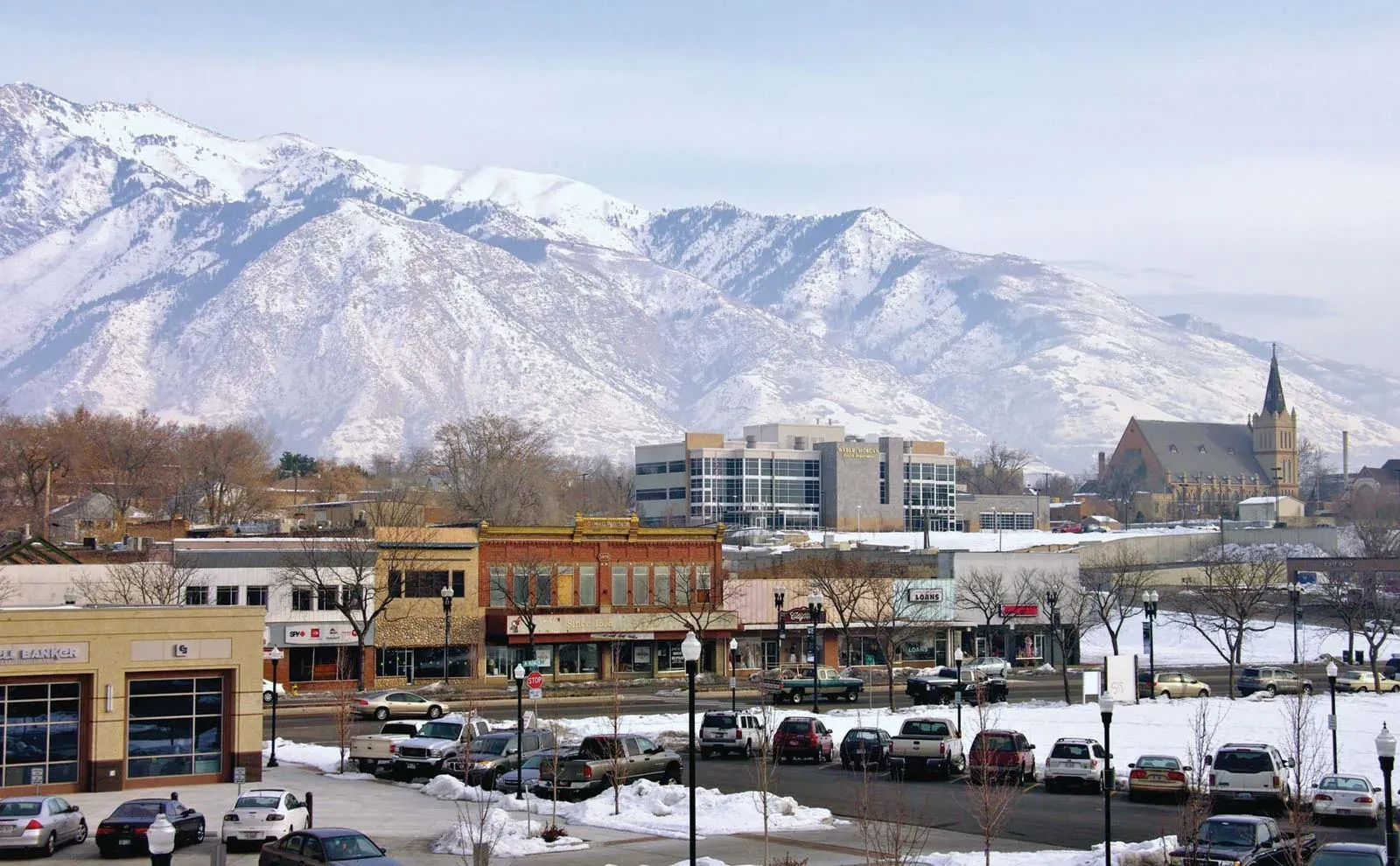
Commercial Roofers in South Ogden
For commercial properties in South Ogden, the defensible choice between repair, restoration, and replacement starts with roof-system condition, moisture findings, drainage performance, and remaining service life. South Ogden's commercial roof stock along Harrison Boulevard leans heavily toward medical office buildings and retail centers, and both come with the same constraint: the building underneath is occupied and operating while the roof work happens. A bid that doesn't plan around that reality isn't a complete bid, it's a price for a version of the job that doesn't exist.
Medical Office Roofs Have a Lower Tolerance for Surprises
A leak in a retail store is an inconvenience. A leak in a medical office building can mean equipment damage, exam room closures, or worse, a compromised clean environment in a procedure space. Medical tenants along Harrison Boulevard have less patience for a roof project that runs long or generates dust and noise during patient hours than a typical retail tenant does.
We schedule medical office roof work around clinic hours specifically, not merely around "business hours" generally, because a clinic's slow period might be a weekday afternoon while a retail neighbor's slow period is a weekday morning. Those two schedules rarely match, and a bid that assumes one standard work window for the whole property is guessing.
What Medical Building Bids Leave Out
- Noise and vibration limits during active patient hours, written into the schedule, not merely verbally agreed
- Dust and debris containment plan for HVAC intakes serving clean or procedure spaces
- Rooftop equipment inventory that accounts for medical-specific mechanical, which often runs heavier duty cycles than standard office HVAC
- Tear-off staging plan that avoids blocking ambulance or patient drop-off access
- Emergency contact and response time commitment in case of an active leak during clinic hours
- Manufacturer warranty terms stated separately from the installer's workmanship warranty
A medical office roof also needs a documented plan for what happens if something goes wrong mid-project, since a partially open roof over an occupied clinic isn't something you can leave overnight the way you might on a vacant retail space. We build a same-day dry-in commitment into every clinic-adjacent scope, and we say so in writing before the bid is signed, not as a verbal reassurance during the walk-through.
Retail Strips Along Harrison Have Their Own Pattern
The retail centers along this corridor tend to be older strip-format buildings with multiple tenants sharing one roof, which means a leak over one storefront is everyone's problem, not merely the affected tenant's. Coordinating a repair or reroof across a multi-tenant strip requires sign-off and scheduling input from several businesses at once, and that coordination work should be priced into the job, not treated as free overhead the contractor absorbs and cuts corners elsewhere to cover.
We've walked strips along Harrison where three different tenants had separately hired someone to patch their own section of a shared roof over the years, each patch overlapping the last without any of them actually solving the underlying drainage problem. Fixing that properly means treating the roof as one system again, which usually means one landlord-level scope instead of three tenant-level ones.
Rooftop Unit Density Is Higher Than It Looks
Medical buildings in particular tend to carry more rooftop mechanical per square foot than standard office or retail space, because imaging equipment, specialized HVAC zoning, and backup systems all need their own units. More units mean more curbs, more flashing details, and more opportunities for a bid to under-scope the actual penetration count. We do a physical unit count before pricing, not a desk estimate from a floor plan.
Imaging equipment in particular tends to run its own dedicated cooling unit separate from the building's main system, added whenever the practice brought that equipment in, and that unit's curb is exactly the kind of detail an old floor plan won't show. We've found unlisted curbs on more than one South Ogden medical building simply by walking the roof with a tape measure instead of trusting the file.
Bench Location and Weather
South Ogden sits on the bench above the valley floor, and roofs here see a mix of valley snow load and more direct wind exposure than low-lying areas closer to the river bottoms. Flashing at rooftop unit curbs, which are more numerous here than average, is where we see wind-driven water intrusion start first.
We inspect curb flashing on these buildings after the first major wind event of the season, not merely on an annual calendar cycle, because a curb that held fine through a mild fall can still work loose in the season's first real canyon gust. Catching that early is a caulk-and-check visit. Catching it late is an interior ceiling repair on top of the roof work.
South Ogden Property Managers and Tenants Ask Us
Can roof work happen without closing exam rooms?
In most cases yes, with sequencing planned around your clinic's actual schedule and dust containment at HVAC intakes serving sensitive spaces.
Who's responsible for a shared roof over a multi-tenant retail strip?
That depends on the lease structure, but the diagnostic and repair work itself needs to be scoped for the whole roof, not merely the section over the complaining tenant, since water travels.
Why does our medical building have so many rooftop units?
Specialized equipment, zoned HVAC for different suites, and backup systems all add up. We count and inventory them individually before writing any roof scope.
How fast can you respond to an active leak during clinic hours?
Response time should be in writing before you need it, not negotiated during an emergency. We build that commitment into the service agreement up front.
Does Harrison Boulevard's elevation affect roof wind exposure?
Yes, the bench location sees more direct wind than lower parts of the valley, which affects how we specify curb flashing and edge fastening.
Questions About Commercial Roofing Contractors South Ogden, UT
Ready to Review the Roof?
Service Areas
Commercial roofing contractors serving South Ogden, UT with commercial roof repair, replacement, coatings, maintenance programs, inspections, and documented roof reports.
Plan the Next Step