
- Roofing Guidance
- Service Areas
Commercial Roofers in North Ogden, WA
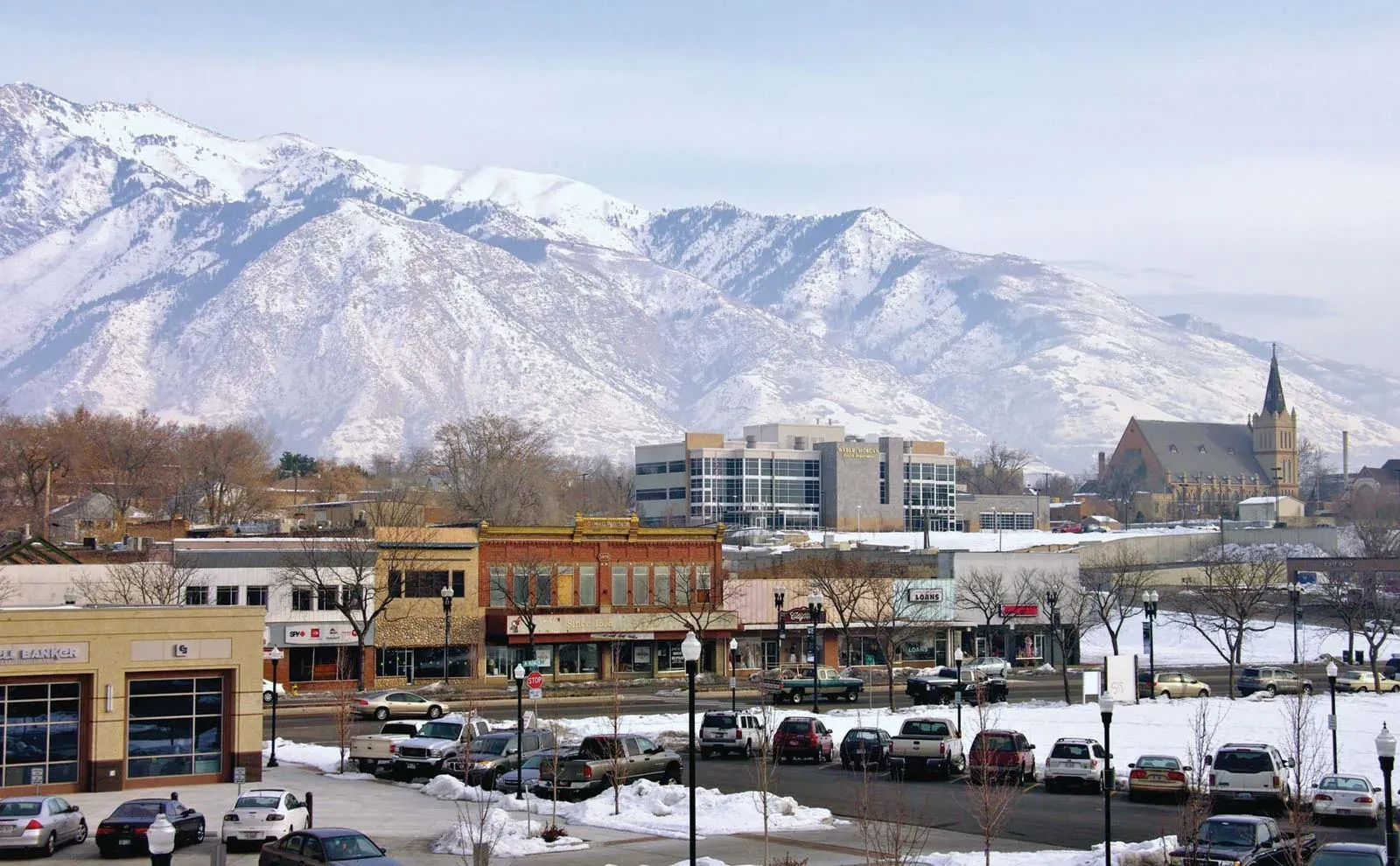
For commercial properties in North Ogden, WA, the defensible choice between repair, restoration, and replacement starts with roof-system condition, moisture findings, drainage performance, and remaining service life. North Ogden's commercial roof stock is smaller-scale than the industrial parks and big-format retail elsewhere in the valley, mostly neighborhood retail centers strung along the Washington Boulevard strip. These are the buildings where the owner is often running the business themselves, not managing it through a property management firm, and that changes how roof bids get read and who's vulnerable to a bad one.
Small Business Owners Are the Ones Who Get Hosed
A property management company reviewing roof bids for a large portfolio has seen enough of them to spot a scope game. A small business owner getting one roof bid every ten or fifteen years usually hasn't, and that's exactly the buyer a fly-by-night crew targets. We've walked into jobs on this strip where a previous contractor took a deposit, did partial work, and disappeared before the flashing detail was finished.
The tell is usually the same: a verbal quote with no written scope, a demand for a large upfront deposit before any material is on site, and no mention of who holds the manufacturer's material warranty once the job is done. If a roofer won't put the scope in writing before you pay anything, that's the answer to whether you should hire them.
What a Small Retail Roof Bid Should Actually Include
- A written scope with every task listed, not a verbal summary followed by an invoice
- Tear-off tonnage and disposal cost stated separately from labor
- Deck condition assessment, since many of these buildings are older and haven't had a full inspection in years
- Manufacturer material warranty registration completed and documented in your name, not left unfiled
- A payment schedule tied to completed milestones, not a large deposit paid entirely upfront
- A named point of contact and phone number that still works a year after the job is done
We also tell owners to ask a bidding contractor for references from jobs finished at least three years ago, not merely recent ones. A roof that still looks fine after one winter doesn't tell you much. A roof that's still holding up after three or four tells you the installation was actually done right.
These Buildings Have Aged Together
Much of the retail stock along this stretch went up in a similar era and is now hitting a similar point of roof deterioration around the same time. That's useful information: if your neighbor two doors down just had roof problems, yours is probably not far behind on the same clock, even if nothing looks wrong yet from the parking lot.
We sometimes suggest neighboring small business owners on the same stretch get inspections done together, even if they use different contractors. It doesn't cost anything extra to compare notes, and it's a useful gut check against being quoted an unusually high or unusually suspicious low price for a roof that's aging on the same clock as the one three doors down.
Rooftop Units Added Piecemeal Over the Years
Small retail tenants change over the years, and each change in tenant often brings a new HVAC unit added to the roof without anyone stepping back to look at how it interacts with the rest of the membrane. We see roofs on this strip with three or four generations of rooftop unit installation, each flashed slightly differently by whoever happened to be doing HVAC work that year. Cleaning that up properly, rather than just patching around the newest leak, is usually the better long-term move.
An HVAC contractor's job is the mechanical unit, not the roof membrane around it, and that gap in responsibility is exactly where these problems accumulate. We coordinate directly with the mechanical trade whenever a unit swap is planned, so the roof flashing gets redone to current standards at the same time instead of being left as whatever the last crew happened to leave behind.
Washington Boulevard's Exposure
This strip sits on more open ground than the sheltered pockets closer to the canyon mouths, and roofs here take a fairly direct hit from both winter snow load and the valley's wind events. Older membranes with multiple generations of rooftop unit patching are exactly where that combination finds the weak point first.
A roof with several flashing styles stitched together over the years doesn't fail evenly. It fails at the seam between two different eras of patch work, where materials and installation methods don't quite match. That's usually the first place we check on an older building along this strip, before we even get to the field of the membrane itself.
North Ogden Business Owners Ask Us
How do I know if a roof bid is legitimate?
Get it in writing, with a line-item scope, before paying anything. A verbal quote and an upfront full deposit are the two biggest warning signs on a strip like this.
My roof has patches from several different contractors over the years. Is that a problem?
It often is, since each patch may have been flashed to a slightly different standard. We assess the whole roof rather than just patching the newest leak on top of old ones.
Should I worry if my neighbor's roof just failed?
Worth checking your own. Buildings built in the same era along this strip tend to reach the end of roof life around the same time.
What should I ask for regarding warranty registration?
Proof the manufacturer's warranty was actually registered in your name after the job, not merely a verbal assurance that it was handled.
Is a small retail roof cheaper to fix than replace?
Sometimes, if the deck and insulation are dry and sound. That has to be verified first, not assumed because the building is small.
Questions About Commercial Roofing Contractors North Ogden, UT
Ready to Review the Roof?
Service Areas
Commercial roofing contractors serving North Ogden, UT with commercial roof repair, replacement, coatings, maintenance programs, inspections, and documented roof reports.
Plan the Next Step